
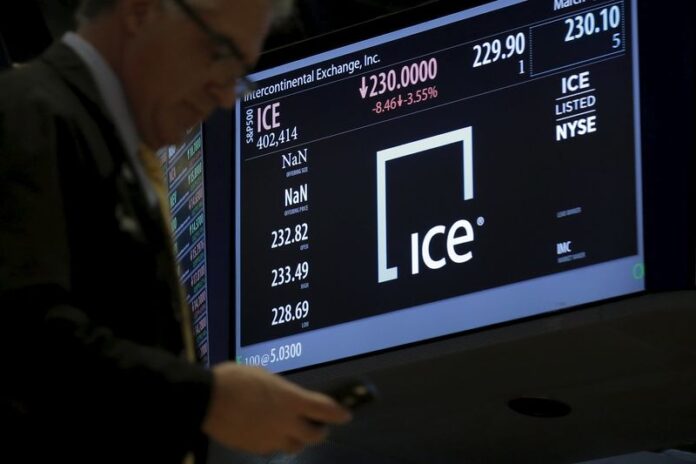

ICE CoinDesk Cryptocurrency Futures: A Strategic Milestone for Crypto Derivatives Markets
The introduction of ICE CoinDesk Cryptocurrency Futures by Intercontinental Exchange (ICE) signals a pivotal step in aligning digital asset markets with institutional standards. This initiative provides a regulated, transparent gateway for institutional investors to access crypto exposure via derivatives, without the need to directly hold underlying assets.
ICE Cryptocurrency Futures Built on CoinDesk Benchmarks
ICE has launched seven new U.S. dollar-denominated, cash-settled futures contracts based on CoinDesk Indices. These include both broad market indices and single-asset exposure:
New ICE contracts include:
- ICE CoinDesk 20 Index Futures
- ICE CoinDesk 5 Index Futures
- ICE CoinDesk Bitcoin Futures
- ICE CoinDesk Ether Futures
- ICE CoinDesk Solana Futures
- ICE CoinDesk XRP Futures
- ICE CoinDesk BNB Futures
These futures are linked to widely adopted benchmarks. The CoinDesk 20 Index captures over 90% of the digital asset market using a capped, market cap-weighted methodology. The CoinDesk 5 Index tracks the top five assets in the 20, offering a narrower but deeper exposure to leading tokens like Bitcoin, Ethereum, and Solana.
Why Are ICE CoinDesk Cryptocurrency Futures Important?
Safer Institutional Access
These contracts allow institutions to gain exposure to major cryptocurrencies without holding the tokens themselves, mitigating custody risk. This is particularly attractive for traditional asset managers and funds that are not equipped to store or handle digital assets securely.
Reinforced Transparency and Regulatory Oversight
ICE, the operator of the New York Stock Exchange, brings institutional credibility and regulatory robustness to the product suite. CoinDesk, meanwhile, has established itself as a reliable index provider. The collaboration brings CoinDesk benchmarks into regulated derivatives markets, facilitating price discovery and market standardisation.
Effective Risk Management Tools
Crypto volatility remains a key concern for investors. These futures contracts provide efficient tools for hedging and risk mitigation without triggering spot market trades, supporting more sophisticated portfolio management strategies.
Looking Ahead: CoinDesk Overnight Rates (CDOR) Futures
ICE also plans to launch One-Month CoinDesk Overnight Rates (CDOR) USDC Futures, subject to regulatory review. These futures will be based on the CDOR index — a benchmark rate reflecting effective yields in decentralised finance (DeFi) markets — similar in structure to legacy rates like SOFR and €STR.
This move further bridges traditional finance and decentralised protocols by standardising DeFi rate exposure in a regulated derivatives format.
Broader Implications for the Digital Asset Ecosystem
Institutional Maturity
The launch of ICE CoinDesk Cryptocurrency Futures reinforces the idea that the digital asset sector is no longer fringe or speculative. It is evolving into a legitimate asset class supported by trusted infrastructure and benchmark tools.
Liquidity Growth
The entry of regulated futures contracts will likely attract institutional liquidity providers, market makers, and hedge funds. This deepens market liquidity, narrows spreads, and enhances execution efficiency for all participants.
Volatility Effects
Historically, the introduction of futures contracts tends to increase trading volumes and, in some cases, short-term volatility due to speculative inflows. However, over time, greater liquidity and hedging activity may contribute to market stabilisation.
Strategic Infrastructure for Institutional Crypto
The rollout of ICE CoinDesk Cryptocurrency Futures marks a new phase in the institutionalisation of digital asset markets. It offers safe, regulated access to crypto exposure, aligns products with globally accepted benchmarks, and improves overall market transparency.
These developments not only enhance risk management tools but also bring digital assets closer to traditional financial frameworks — a necessary evolution for long-term adoption.


Pretty! This has been an extremely wonderful post. Many thanks for supplying these details.