
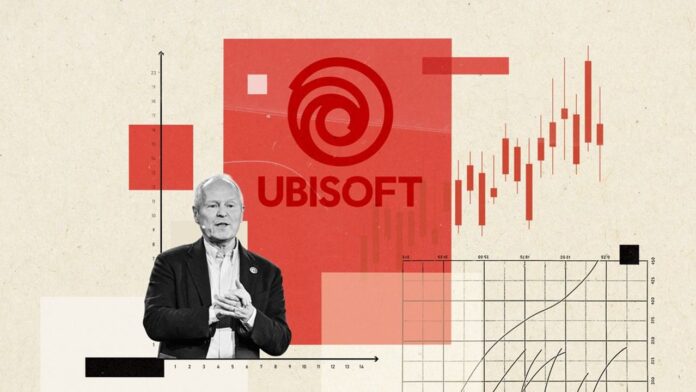

The Ubisoft recovery plan is now in motion as the French gaming giant faces mounting financial pressure. Following a series of underwhelming releases and growing market competition, Ubisoft has unveiled a sweeping overhaul of its operations, including game cancellations and stringent cost-cutting measures.
Game cancellations mark the start of Ubisoft’s reset
A key casualty of this internal shake-up is the long-delayed remake of Prince of Persia: The Sands of Time, which has now been scrapped despite several years in development. This announcement has triggered widespread disappointment among fans across social media platforms.
In addition, Ubisoft confirmed the cancellation of four unannounced projects and one mobile title. Meanwhile, seven other games will undergo extended development timelines to improve quality and execution.
In an increasingly selective and competitive market, Ubisoft now expects an operational loss of €1 billion for the current fiscal year, prompting a sharper focus on its most valuable franchises and a leaner internal structure.
A new operational model underpins the Ubisoft recovery plan
At the heart of the Ubisoft recovery plan is a completely new operating model, set to launch in April. It introduces five thematic “creative houses” that consolidate Ubisoft’s development studios by genre and brand alignment.
The first of these, Vantage Studios, was created in October 2025 and encompasses flagship franchises like Assassin’s Creed, Far Cry and Rainbow Six, with an ambitious annual revenue target of €1 billion.
The additional four creative houses will focus on:
- Shooter titles such as The Division, Ghost Recon, and Splinter Cell
- Fantasy universes including Rayman, Beyond Good & Evil, and Prince of Persia
- Competitive action games like The Crew and For Honor
- Family-oriented games, led by the Just Dance series
Shared services and tighter strategic oversight
This new structure aims to streamline operations by pooling technology, marketing, production, and distribution services. Roughly half of Ubisoft’s global studios will be embedded within the creative houses, while the other half will offer cross-functional support.
Strategic planning and financial oversight will remain centralised at Ubisoft’s headquarters in the Paris region. CEO Yves Guillemot described the shift as a “radical transformation” intended to simplify workflows and drive profitability.
Employee backlash and operational downsizing
The rollout has not been without friction. Management has called for an end to remote work, requiring employees to return to the office five days a week. This move has already sparked outcry, particularly from union representatives who condemned it as “unfair and brutal.”
Ubisoft is also entering the third and final phase of a cost-reduction initiative launched in previous years. Having already cut over 3,000 jobs and shuttered multiple studios, the company now targets at least €200 million in additional savings over the next two years. The closure of Ubisoft Stockholm is the latest sign of this downsizing.
Financial implications and market response
Previously projecting breakeven results for 2025/2026, Ubisoft now anticipates a full-year operating loss and lower net bookings of approximately €1.5 billion. These revised expectations reflect both the cost of restructuring and underperformance in key game launches, such as the early termination of XDefiant.
In the context of a broader industry slowdown, Ubisoft’s share price fell by 51% in 2025, highlighting growing investor unease and reinforcing the urgent need for this recovery strategy.